Key takeaways
- Airsoft started in Japan in the early 1970s because strict gun laws made real firearms almost impossible to own.
- The first replicas were spring-powered and fired 6 mm plastic BBs.
- In the late 1980s–1990s Tokyo Marui’s automatic electric guns (AEGs) made the hobby far more accessible.
- Today airsoft ranges from casual skirmishes to large MilSim events played across Asia, Europe and the Americas.
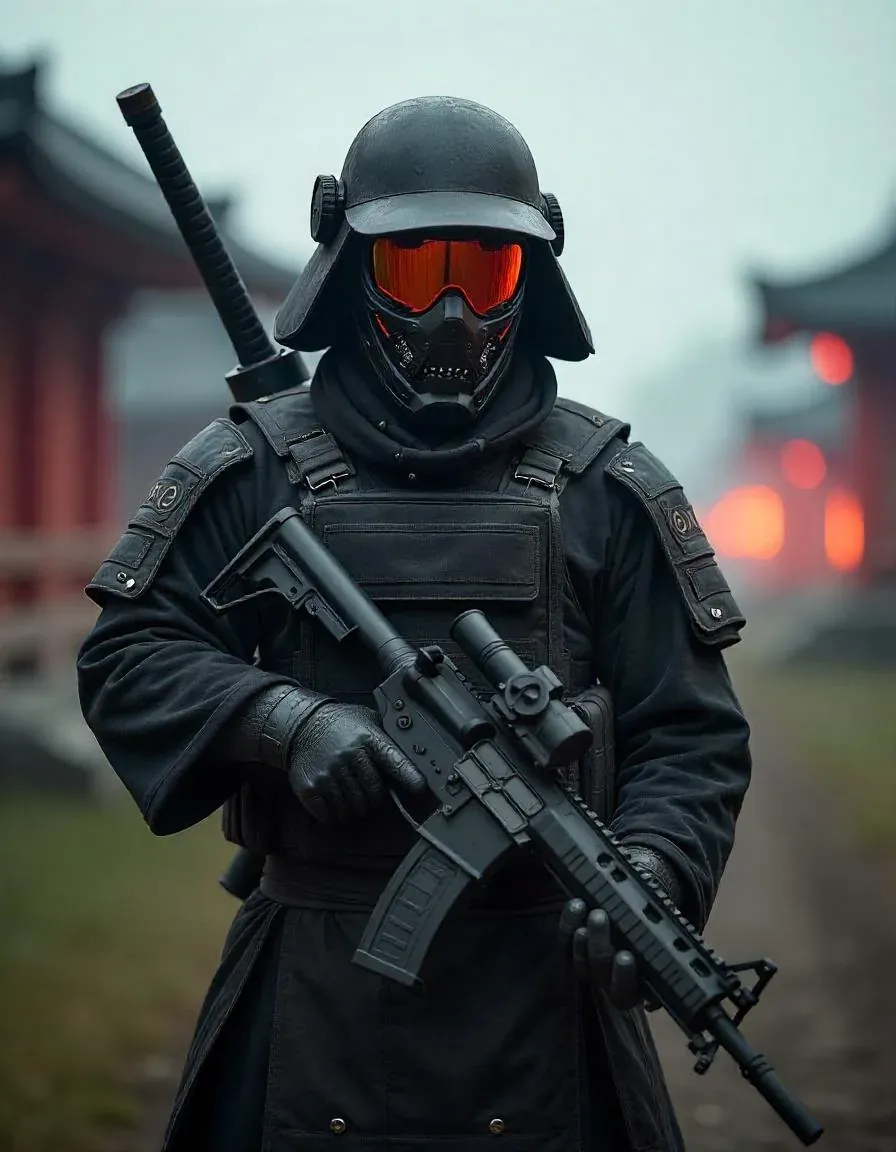
Airsoft, a sport that has captivated players worldwide, originated in Japan during the early 1970s. Strict firearm regulations limited citizens’ access to real guns, which led to the development of non-lethal replicas that shoot plastic pellets. These early models were spring-powered and gave firearm enthusiasts a safe and legal alternative.
Early development and popularity in Japan
The first airsoft guns were carefully crafted to mirror the look and feel of real firearms, firing 6 mm plastic pellets. The emergence of “Survival Games” or “Wargames” in Japan marked a major step in airsoft’s history: enthusiasts formed teams to play simulated combat scenarios built around teamwork and strategy.
Technological advances and global expansion
By the late 1980s and early 1990s, new technology pushed airsoft into a new era. Companies like Tokyo Marui introduced Automatic Electric Guns (AEGs), which use an electric motor to drive the internal mechanism and allow semi-automatic and fully automatic fire. These innovations improved performance and accessibility and made airsoft appealing to a much broader audience.
As airsoft’s popularity surged in Japan, it began to attract international attention. Countries across Asia, Europe and North America embraced the sport and adapted it to their own cultures and regulations. Enthusiasts who imported replicas and organised local events drove that spread and built a diverse, connected community.
Airsoft today: a global phenomenon
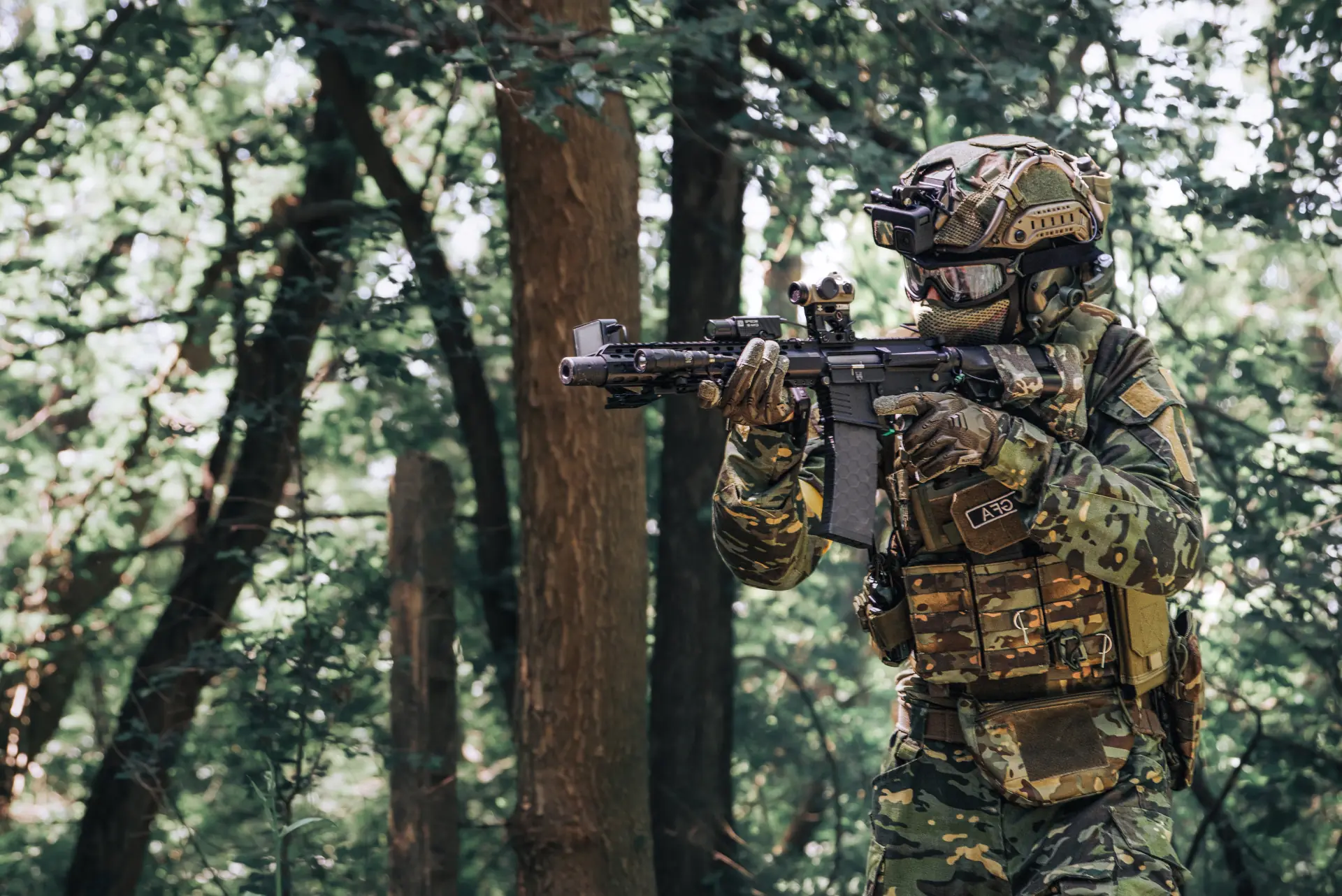
Today airsoft is an established sport with a vibrant global community. Players take part in everything from casual skirmishes to large-scale military simulation (MilSim) events that recreate real-world scenarios. The sport has even influenced military and law-enforcement training as a cost-effective and safe way to practise tactics.
The airsoft industry keeps innovating, producing a wide range of replicas, accessories and gear. International tournaments and events draw players from all over the world — showing the sport’s universal appeal and the camaraderie it creates across cultures.
Conclusion
From its start in Japan as a response to strict firearm laws to its current status as a global sport, airsoft has gone through a remarkable transformation. Its journey blends technological innovation, cultural adaptation and a shared passion for tactical games — proof that a niche hobby can cross borders and unite players worldwide.
Ready to try it yourself? Start with the Airsoft 101 beginner’s guide, then find an airsoft field near you.
Watch: video guide
Airsoft player, YouTuber, photographer & software developer. I film my games and gear tests for the GFA Airsoft YouTube channel and write about the gear and lessons that make a difference on the field.